Dance Communities in Smaller Coastal Towns
Beyond the cities, Irish coastal towns are building their own dance communities. Discover hidden gems, how to find local gatherings, and the unique appeal of smaller socials.

Where Dance Finds Its Rhythm Beyond the City
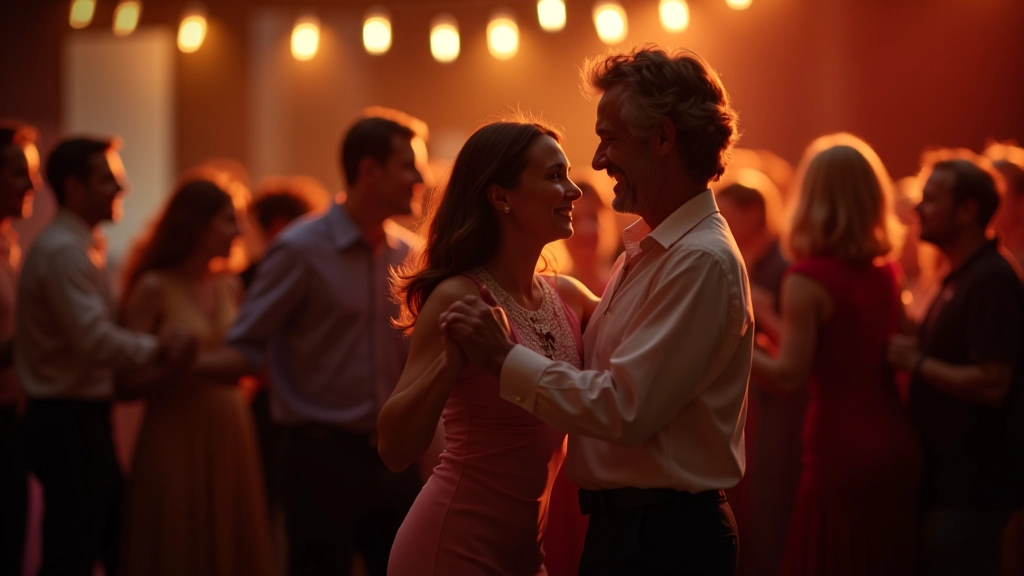
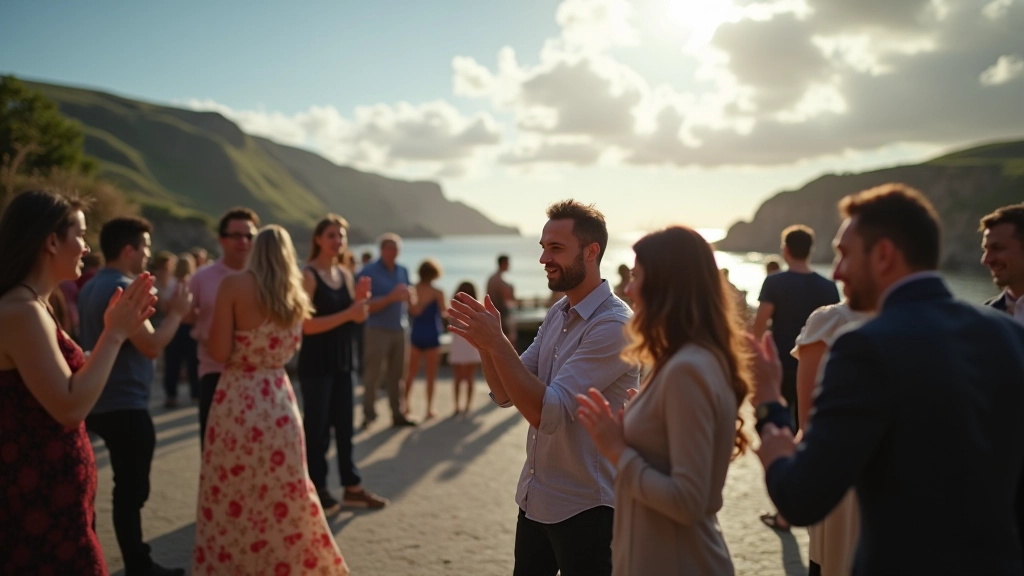
When you think of dance communities in Ireland, Dublin and Cork city centers come to mind first. But here's what we've discovered — some of the most vibrant, welcoming dance scenes are happening in smaller coastal towns where everyone knows each other. There's something different about dancing by the sea. The energy's more relaxed, the groups are tighter, and there's genuine space for beginners to find their footing.
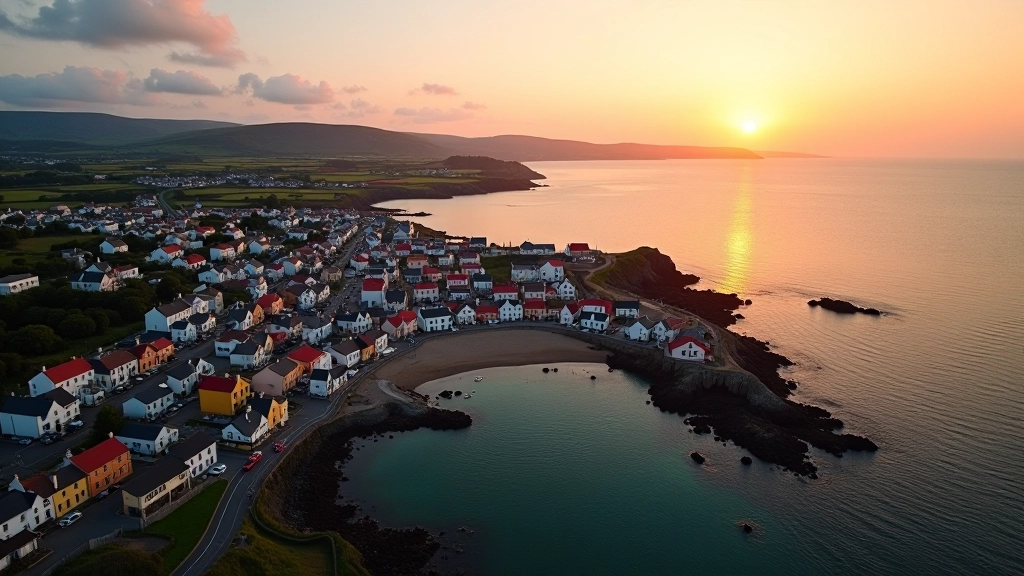
Coastal towns like Dún Laoghaire, Kinsale, Westport, and Carlingford have quietly built their own kizomba and salsa communities. They're not always advertised online. They're not in glossy venue listings. But they're real, they're happening, and they're worth finding.
How Coastal Communities Actually Work
The structure is different from city socials. Most coastal town gatherings happen once or twice a month — not weekly. They're often organized through word of mouth, Facebook community groups, or WhatsApp chats rather than slick websites. The spaces vary too. You might dance in a community center, a local restaurant's back room, a church hall, or even outdoors during summer months.
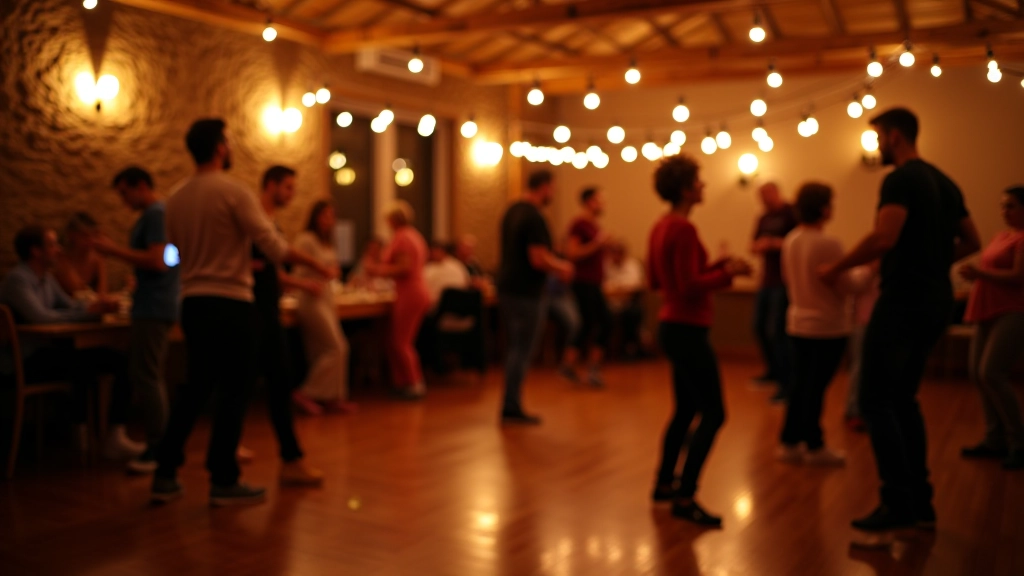
What makes this work is intimacy. A typical gathering draws 20 to 40 people. Everyone eventually dances with everyone. There's less of the "floating wallflower" problem you get in bigger venues. Beginners aren't lost in a crowd of 200. Teachers often run shorter lessons — maybe 20-30 minutes — then open floor dancing. The rhythm feels more organic, less formal.
Plus, the social aspect goes beyond the dance floor. You'll find people grabbing coffee afterward, planning beach walks, organizing dinner socials. It's community building with dance as the anchor, not just dancing as an isolated activity.
What You Should Know
The information here is based on community feedback and personal experience attending gatherings across Ireland's coastal towns. Specific venues, dates, and organizers change regularly. We recommend contacting local community centers or searching Facebook groups for your specific town to find current gatherings. Dance ability requirements and styles vary by location — always reach out to organizers beforehand if you're new to the scene.
Finding Hidden Gatherings
The challenge isn't that coastal town dances don't exist — it's that they're not centralized. Here's how people actually find them: Start with Facebook. Search "[Your Town] Dance" or "[Your Town] Kizomba" or "[Your Town] Salsa." Most groups have between 100 and 500 members. The event details are usually posted 1-2 weeks before.
Community centers are your second source. Ring them directly. Ask if they host dance events or if they can recommend local organizers. Many have bulletin boards with flyers. WhatsApp is huge — once you know one person in the community, you're added to the chat where future events are announced. Don't underestimate the local dance teachers either. They know where socials are happening and often organize them themselves.
A practical tip: Visit the town on a weekend evening. Chat with bar or restaurant staff about local dance nights. They'll know. That personal connection often opens more doors than any online search.
The Real Benefits of Smaller Socials
You get something genuine in coastal town communities that bigger venues struggle to replicate. First — no judgment. When your dance group is 25 people who see each other monthly, there's accountability and kindness. People actually remember you. They notice if you haven't been there in a while. Beginners aren't invisible.
Second, skill levels are more mixed in a good way. You're dancing with experienced dancers who've been coming for years, absolute beginners, and everyone in between. It's less intimidating than a city social where groups can feel cliquey. Third — the cost. Many coastal gatherings charge €5 to €8 per person, sometimes with tea and coffee included. City venues run €12-15.
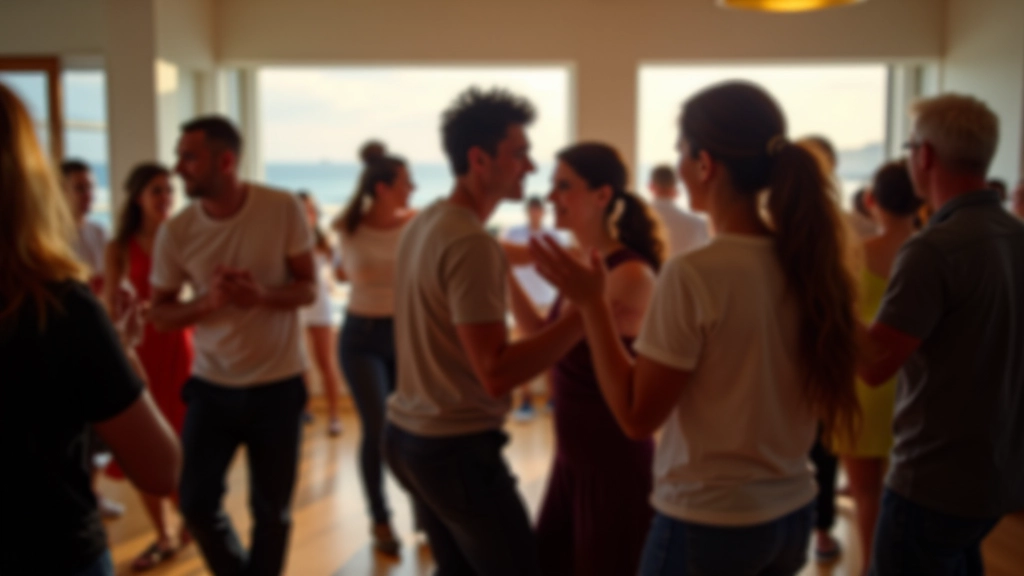
There's also something about the setting. Dancing in a room with windows overlooking the sea changes the mood. It's calming. Conversations flow easier. You're not competing with loud house music or aggressive lighting. You're just moving together with people who showed up for the same reason you did.
Making the Most of Your First Visit
Arrive Early
Get there 10-15 minutes before the lesson starts. Chat with the organizer. Let them know you're new. They'll introduce you around and explain what to expect.
Bring Cash
Most coastal gatherings are cash-only. €5-10 covers entry and often includes tea or coffee. Organizers rarely have card readers.
Wear Comfortable Shoes
Community center floors vary. Some are sprung, others aren't. Soft shoes that let you feel the floor are better than hard soles.
Don't Skip the Lesson
Even if you've danced before, go to the beginner's lesson. You'll meet people at your level and get oriented to how this particular group does things.
Ask About Social Mediums
Get added to the WhatsApp or Facebook group. That's where the real community happens — future events, tips, meetups for coffee.
Go a Second Time
First visits are always awkward. You're learning faces and feeling out the energy. It clicks on visit two. People will remember you, conversations deepen.
Specific Towns Worth Exploring
We've connected with dancers from these coastal towns. All have active or emerging dance communities:
Dún Laoghaire
Monthly Friday socials, usually near the pier area. Summer brings outdoor gatherings. Strong kizomba presence with experienced teachers.
Kinsale
Twice-monthly gatherings in local community spaces. Mix of kizomba and salsa. Very welcoming to newcomers. Lots of post-dance social time.
Westport
Smaller group but growing. Events posted on local Facebook pages. Beautiful setting with views of Clew Bay.
Carlingford
Emerging scene with seasonal socials. Check community center schedules. Great village atmosphere, authentic local feel.
Your Coastal Dance Journey Starts with One Visit
The beauty of coastal town dance communities is that they're accessible, genuine, and growing. You won't find polished websites or Instagram feeds. What you'll find is real people who love dancing, who remember your name, and who'll make space for you at the social. That's the opposite of anonymous.
Start with your closest coastal town. Search Facebook. Make a call to the community center. Show up on a Friday or Saturday evening. You might be nervous — that's normal. But you won't regret it. The energy in these smaller communities is something special. It's where dance feels less like performance and more like belonging.
Ready to Explore?
Check out our guides to specific coastal towns and their dance scenes. Or learn more about getting started with kizomba in our beginner resources.
Browse All Dance GuidesRelated Guides