

Beachside Dance Socials in Dún Laoghaire
Summer weekends bring outdoor dance gatherings to the pier. We've covered the best beachside socials and what to expect.
Read MoreYour guide to joining Dublin's vibrant kizomba community and finding beginner-friendly socials
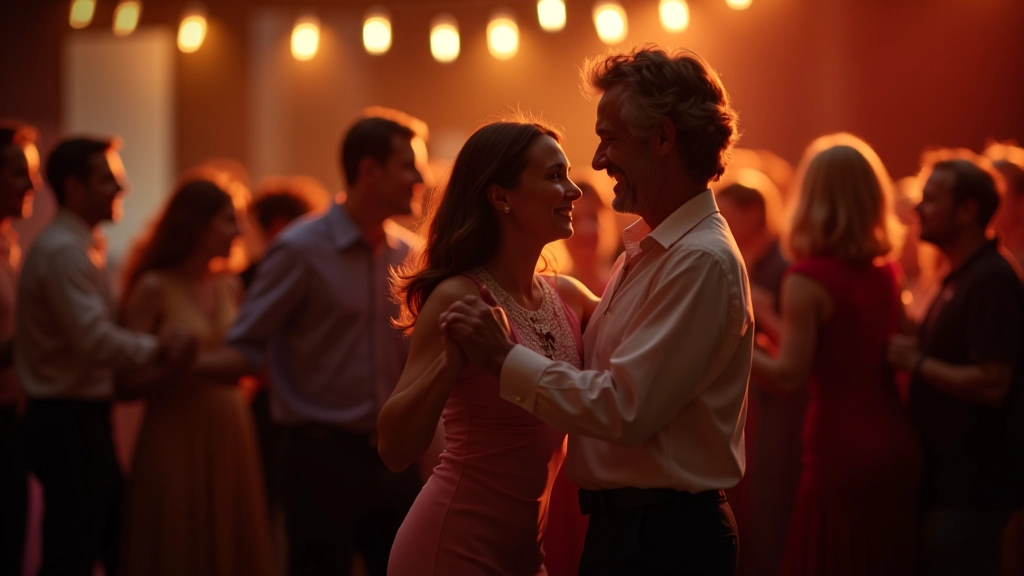

Kizomba's a partner dance that originated in Angola — slow, sensual, and incredibly enjoyable. It's not about complicated footwork or spinning around like you're training for the Olympics. It's more intimate, more connected. You'll move closely with your partner, feel the music, and honestly, it's one of the best ways to meet people while actually having fun.
Here's what makes it perfect for people starting out: there's no judgment. You're not trying to compete. Everyone's there to enjoy themselves and share a good evening. The Dublin community especially is welcoming — you'll find dancers aged 45 to 75, all at different levels, all helping each other improve.


Dublin's got several venues hosting kizomba socials throughout the week. The main spots are concentrated around the city center and southside areas. Thursday nights tend to be busier, but Tuesdays and Fridays also pull decent crowds. You'll find socials at dance studios, community halls, and dedicated social venues.
The best part? Most beginners start at the social itself. Don't stress about learning beforehand. You'll pick it up quickly once you're there with someone guiding you. Plus, arriving early gives you a chance to meet people without the floor being packed. Usually the first hour's quieter, which is perfect for getting your bearings.
Educational Note: This guide is informational and based on community experiences in Dublin's dance scene. Specific venue details, pricing, and schedules vary and change regularly. Always contact venues directly for current information before attending. Dance involves physical activity — consider your fitness level and consult healthcare professionals if you have any health concerns.
The fundamentals of kizomba revolve around connection and rhythm. You're dancing to music with a specific beat — usually around 90-110 BPM. The basic step is simple: it's a side-to-side movement with your partner, not forward-backward like some other dances. Think of it as swaying together rather than traveling across the floor.
Most beginners feel comfortable with basic steps within 2-3 sessions. Your partner does the leading, you do the following — so don't worry about memorizing sequences. Just feel the movement and respond. The connection between partners is what makes kizomba special. You're communicating through body movement, which sounds intimidating but actually becomes natural pretty quickly.
Expect to spend the first 20-30 minutes of any social doing a casual group warm-up. Then you'll partner up (either with someone experienced or another beginner) and practice. The atmosphere's relaxed. You're not performing — you're learning and enjoying music with other people.

Don't overthink it. Seriously. You're going to feel nervous — that's completely normal. But within 10 minutes of dancing, you'll settle in. Everyone there was once a beginner. You're surrounded by people who remember exactly how you're feeling right now.
Wear comfortable clothes you can move in. Smart casual works perfectly. Avoid anything too restrictive. Shoes matter more than you'd think — soft soles let you feel the floor better. Some people wear dance shoes, others wear smooth-soled casual shoes. Just avoid anything with gripping soles.
Go with an open mind about partners. You'll dance with different people throughout the evening. Some will be experienced and help you tremendously. Others will be at your level and you'll figure things out together. That's the beauty of it. Don't attach yourself to one partner all night — mix it up.
Stay for at least 90 minutes. The first 30 minutes feel awkward. By 60 minutes you're getting comfortable. After 90 minutes you'll actually want to stay longer. Most socials run until 11 PM or midnight.
Dublin's kizomba scene isn't competitive or pretentious. It's genuinely welcoming. You'll meet accountants, teachers, nurses, retired professionals — all there for the same reason: the love of dance and connection. Many people come alone initially. By the end of the first evening, they've got phone numbers from new friends and plans for next week.
There's a social element that goes beyond dancing. You'll grab coffee with people afterward. You'll share stories. You'll learn about their lives. It's not just about the dance steps — it's about building genuine friendships with people who share your interests. That's what keeps people coming back week after week.
The community also organizes occasional workshops with visiting instructors from other countries. These aren't mandatory — they're optional for anyone who wants to deepen their skills. But even if you just stick to socials, you'll improve steadily just from consistent practice and exposure to different partners and music.
Real Talk: After your first month of regular attendance (2-3 times weekly), you'll notice real improvements in your balance, rhythm, and confidence. But more importantly, you'll have a solid group of friends you actually enjoy spending time with.
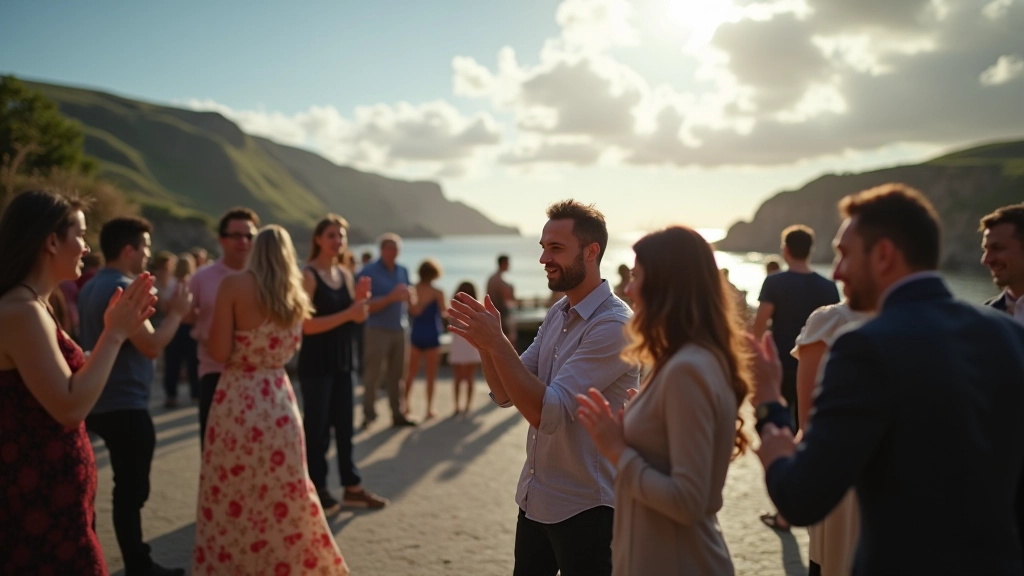
You've got all the information you need. The only thing left is to actually show up. Pick a Thursday night if you want the busiest, most energetic atmosphere. Choose Tuesday if you prefer something quieter. Either way, you'll find friendly people ready to help you enjoy the evening.
Bring €10-12 for entry. Wear comfortable clothes and smooth-soled shoes. Show up a bit early. And most importantly, go with the intention to enjoy yourself and meet people — not to be perfect at dancing. You'll be amazed how quickly it all clicks.
Dublin's kizomba community is waiting. It's welcoming, it's fun, and it's genuinely one of the best communities for people who want to connect with others while doing something they love. See you on the dance floor.
Explore More Dance Communities